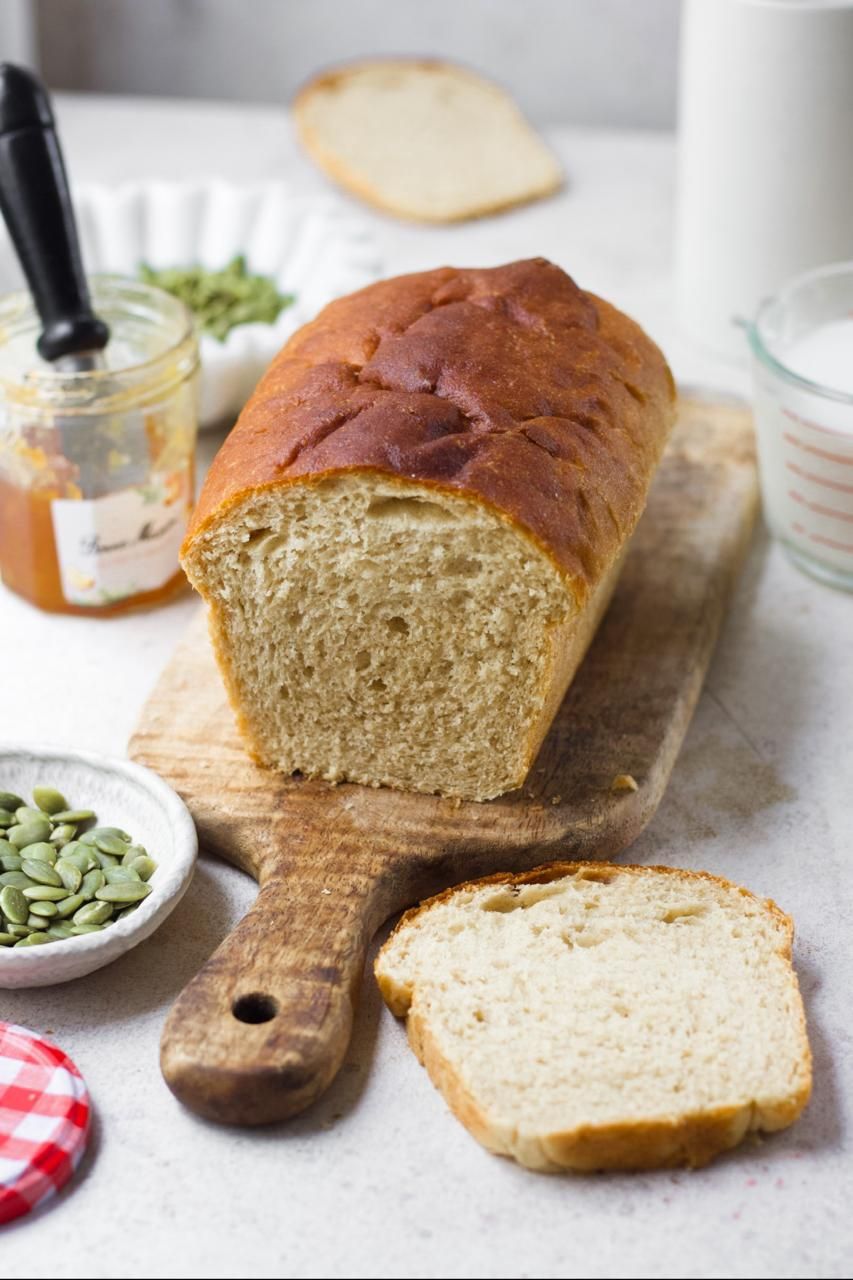
If you’ve ever wondered why a cookie turns golden, why a sourdough loaf develops that deep caramel crust, or why your brownies smell so irresistible the moment they come out of the oven — you’re experiencing the magic of the Maillard reaction. It’s one of the most important reactions in baking, responsible for flavor, aroma, and color. Without it, everything would taste flat, pale, and frankly… a little boring.
What Exactly Is the Maillard Reaction?
The Maillard reaction is a chemical reaction that happens when amino acids (proteins) react with reducing sugars under heat.
This reaction begins around 140–165°C and accelerates as the temperature rises.
It’s named after Louis-Camille Maillard, the French chemist who first documented it in 1912.
Think of it as the baking world’s version of controlled toasting — where heat rearranges molecules and creates hundreds of new flavor compounds.
Why It Matters in Baking
In baked goods, the Maillard reaction is responsible for:
1. Browning
That golden cookie edge, the shiny brown surface of a brioche, or the crackly crust on focaccia — all come from Maillard browning.
More browning = deeper flavor.
2. Flavor Development
The reaction creates hundreds of new flavor molecules:
nutty, caramel-like, roasted, toffee, chocolatey, malty — basically all the complex flavors we associate with well-baked food.
3. Aroma
Those smells that fill your kitchen when bread or cookies bake?
They’re Maillard-derived aromatic compounds escaping into the air.
4. Texture
A crisp cookie edge or a firm bread crust happens because Maillard compounds help dry out and harden the surface.
Maillard vs. Caramelization: Not the Same
A lot of bakers mix them up, but they’re different:
- Maillard Reaction
Needs protein + sugar + heat
Happens between 140–165°C
Produces brown color + roasted flavors - Caramelization
Needs sugar only
Starts around 170°C+
Produces deeper caramel, burnt-sugar flavors
Cookies, bread crust, cakes → mostly Maillard
Burnt sugar, caramel, toffee → caramelization
Where the Maillard Reaction Shows Up in Baking
Cookies
Butter provides proteins and milk solids. Sugar brings the reducing sugars. High heat triggers immediate browning and creates those crispy golden edges.
Breads
Wheat flour contains proteins. Dough fermentation increases sugar availability. Once baked at high heat, the crust turns brown while the inside stays pale — classic Maillard.
Cakes
Less browning because cakes bake at lower temperatures and contain more moisture, but the tops still develop a soft golden color.
Pastries & Focaccia
Egg wash boosts the Maillard reaction dramatically!
Eggs = extra proteins
Sugar in the dough = fuel
High oven temp = max browning
How to Boost Browning in Your Baking (Practical Tips)
1. Increase Heat (Slightly)
A hotter oven encourages faster browning.
For cookies: 180–190°C
For bread: first 10–15 minutes at high temp (210–230°C)
2. Use Egg Wash
Brushing pastries or bread with egg wash adds extra protein and sugar → more browning and shine.
3. Add Milk or Milk Powder
Milk contains lactose (a reducing sugar) + proteins.
Great for cookies, dinner rolls, babka, and enriched breads.
4. Reduce Excess Moisture
Dry surfaces brown better.
This is why steam is used only at the start of bread baking and not the whole time.
5. Add a Little Sugar
Even 1–2 tsp helps a loaf of bread brown more deeply.
6. Use Baking Soda (Slightly)
An alkaline environment speeds up Maillard browning — this is why pretzels are dipped in baking soda solution.
7. Longer Bake Time
Letting the crust or edges sit in the oven a bit longer (without burning) develops deeper color and flavor.
When Browning Doesn’t Happen (and Why)
If your baked goods stay pale, it could be because:
- Too much moisture in the dough/batter
- Low oven temperature
- Not enough sugar
- No protein source
- High humidity in the oven
- Under-baking
Dry mixes and lean breads (like French baguettes) rely heavily on heat and time because they contain minimal sugar or fat.
Why Maillard Browning Makes Food Taste Better
The reaction creates hundreds of new flavor compounds, including:
- roasted nutty notes
- chocolatey flavors
- malty, coffee-like aromas
- toffee-like sweetness
- savoury umami tones
It’s why a raw dough ball tastes nothing like a baked cookie.
In Short: The Maillard Reaction Is the Heart of Baking Flavor
Without it, bread would be pale, cookies would taste flat, and pastries would lack color and aroma.Understanding how it works helps you control browning so you can elevate everything — from focaccia crust to chocolate chip cookies and brioche buns.
 Hello. I'm Shivesh Bhatia, a food blogger and food stylist from Delhi, India. Welcome to Bake With Shivesh, where I'll help you create magic in your kitchens with my simple recipes.