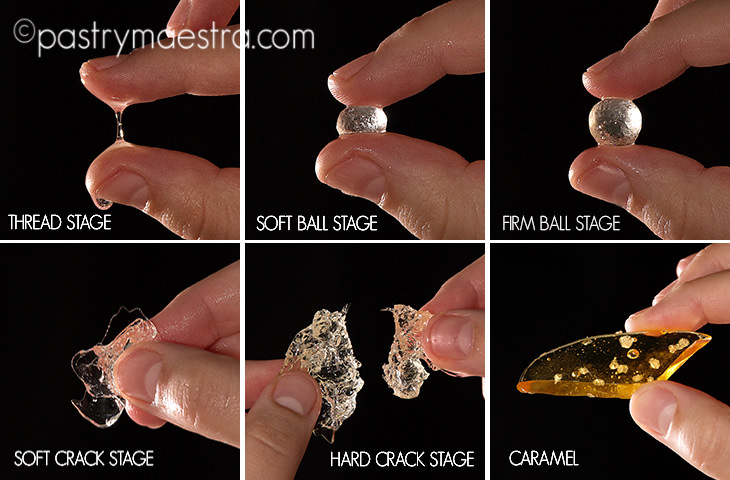
Sugar is more than just sweet. When heated with water (or alone in some methods), sugar transitions through multiple “stages” – each stage defining texture, behavior, what you’ll be able to do with it (e.g. make fudge, toffee, brittle, caramel).
Understanding these stages is key if you want consistent results in candy-making, sugar decoration, or baking that involves molten sugar. In this article, we’ll cover all the major stages of cooked sugar, how to recognize them (thermometer + cold water test), what recipes call for which stage, why stage matters, and common pitfalls.
WHAT CAUSES THE STAGES?
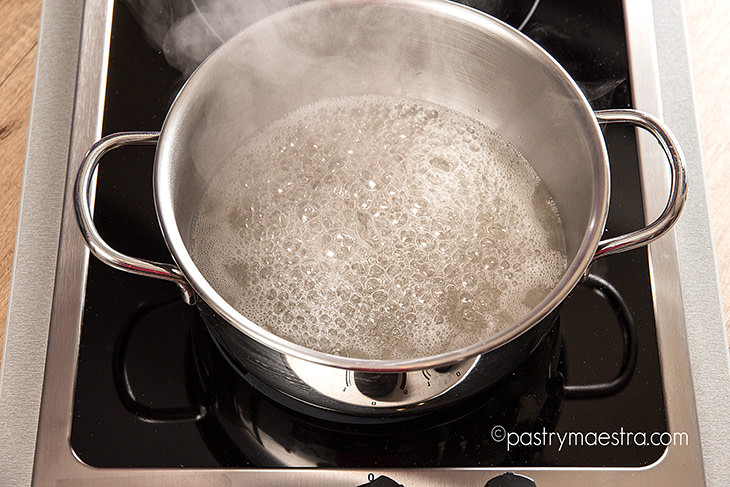
When you dissolve sugar in water and bring it to a boil, water evaporates. As more water leaves, the sugar concentration increases, which raises the boiling point of the mixture. That is why sugar syrup can go far above 100 °C (212 °F). As concentration and temperature rise, physical properties change:
- Viscosity
- how syrup behaves when dropped into cold water
- how it sets when cooled
Also, the presence of impurities, acid (like lemon juice or cream of tartar), other ingredients (milk, butter), altitude and humidity affect behavior. But the classic stages are mostly driven by sugar concentration + temperature.
KEY STAGES OF SUGAR COOKING
Here are the commonly accepted stages, their temperature ranges (approximate), how you test them, what textures you get, and what they’re used for.
| Stage | Approx Temp Range* | What Happens / Feel & Texture | How to Test (Cold Water / Visual / Thermometer) | Common Uses |
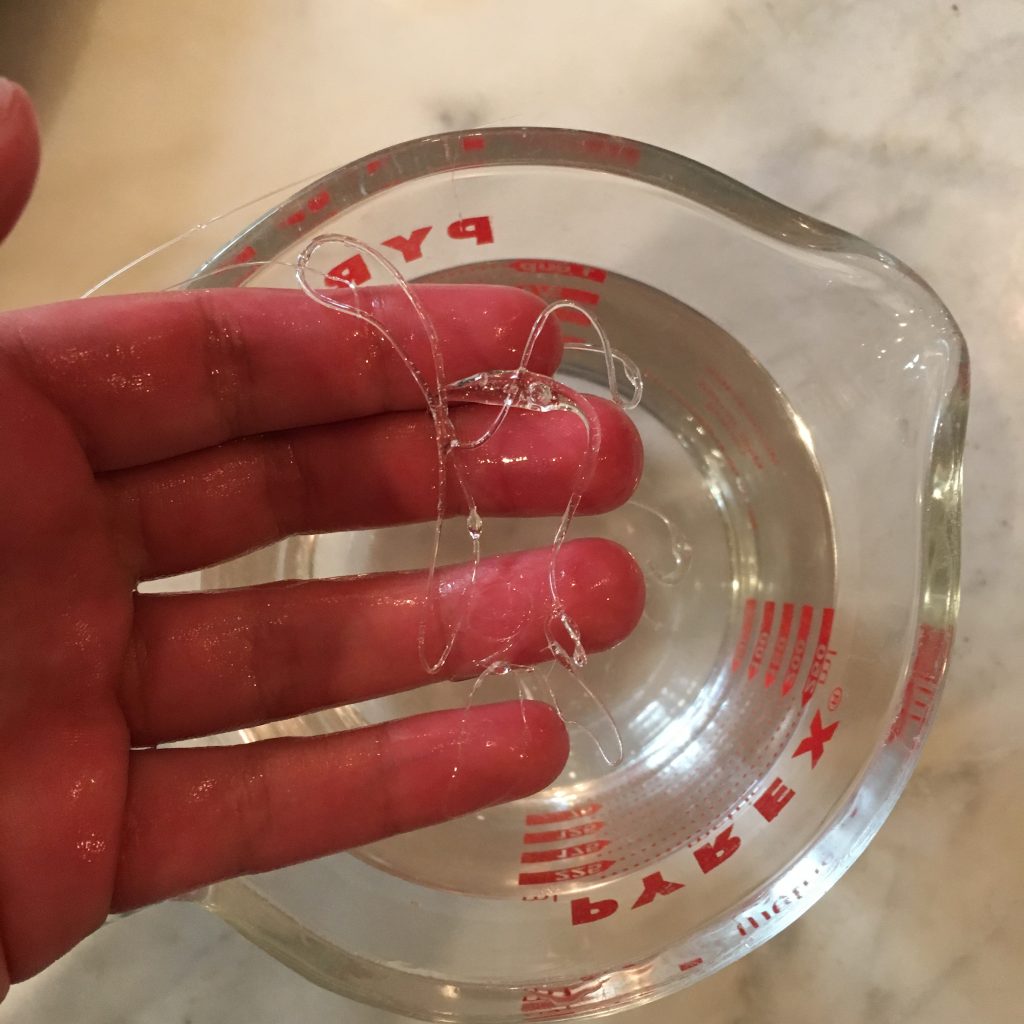
| Thread Stage | ~ 106-112 °C (≈ 223-235 °F) | Syrup is fairly loose. When you drip it from a spoon, it forms thin threads (not thick or stiff). Doesn’t set solid. It’s still quite fluid. | Take a drop of syrup on a spoon and drip into cold water. It should form a thin thread (when lifted) rather than a ball. Also thermometer reading helps. | Used for sugar syrups, glazes, candied fruit, some icings or fruit pastes. |
| Soft-Ball Stage | ~ 112-116 °C (≈ 235-240 °F) | Syrup thickens. When dropped into cold water, forms a soft ball which flattens if you lift it out and press. Pliable, not firm. | Cold water test: drop syrup into cold water, gather into ball with fingers, feel if soft and flattening. Use candy thermometer. | Fudge, pralines, some fondants, buttercreams, certain soft candies. |
| Firm-Ball Stage | ~ 118-121 °C (≈ 245-250 °F) | Syrup forms firmer ball in cold water. It holds its shape more, but still pliable; if pressed, will deform. Not brittle. | Cold water drop test: when you shape, the ball retains shape but squishes under pressure. | Caramels, some chewy candies, certain kinds of nougats. |
| Hard-Ball Stage | ~ 121-130 °C (≈ 250-266 °F) | The ball formed in cold water is quite firm; retains shape, only deforms slightly under strong pressure. Sticky still. Doesn’t flatten easily. | Cold water test: form ball, squeeze – should hold shape. Also thermometer reading. | Nougat, marshmallow, rock candy, some chewy / firm candies. |
| Soft-Crack Stage | ~ 132-149 °C (≈ 270-290 °F) | Syrup forms threads in cold water that are flexible, “crack” softly. Not brittle: you can bend before it snaps. Color begins to turn golden. | Cold water test: threads that bend slightly and then break. Thermometer. Visual cues: color, bubble size changes. | Toffees, brittles, butterscotch, certain candies that need crunch but slight chew. |
| Hard-Crack Stage | ~ 149-154 °C (≈ 300-310 °F) | Syrup is very concentrated; very little water left. In cold water, syrup forms brittle threads that snap immediately; very hard. Glossy. Danger of burning. | Cold water test: brittle threads; use thermometer. Timing and carefulness very important. | Lollipops, nut brittles, hard candies. |
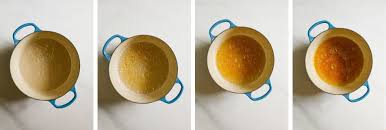
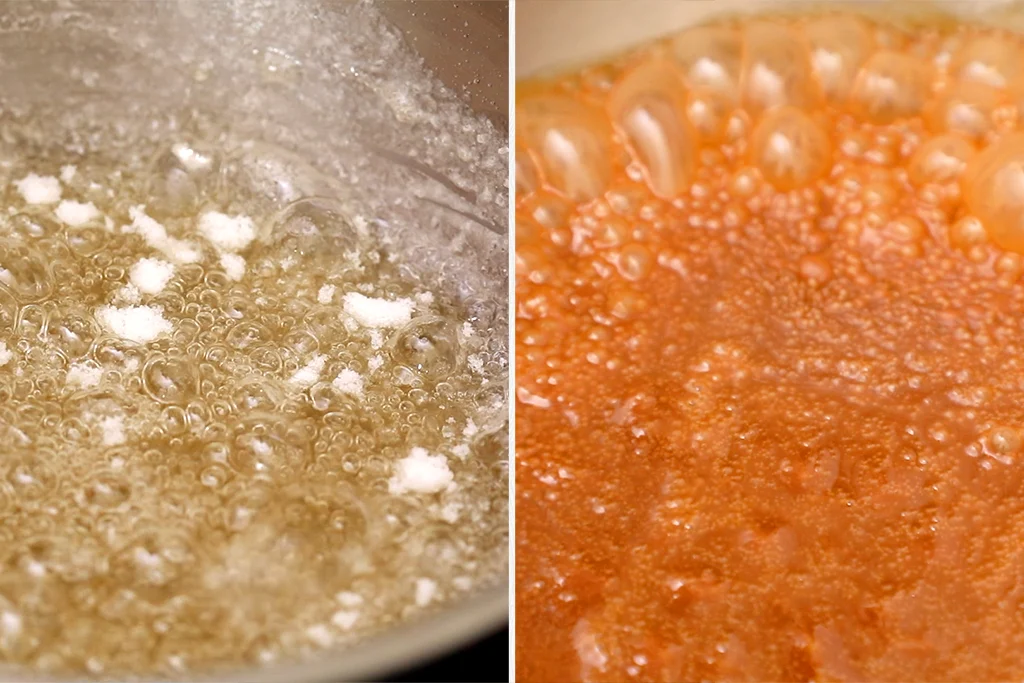
| Caramelization Stage | ~ 160-170 °C + (≈ 320-350 °F) | At this point, sugar begins to brown (amber, golden) and start breaking down, developing deeper flavour (caramel notes, toasty, slightly bitter if pushed too far). Sugar is no longer just syrup / crystal + water but undergoing molecular changes. | Observe color change: from golden to deep amber; smell changes (more complex, caramel aroma). Thermometer if possible. Beware: can go from “perfect caramel” to burnt quickly. | Caramel sauce, caramel candies, sauces, brûlée tops, caramel decorations etc. |
METHODS TO TEST SUGAR STAGES:
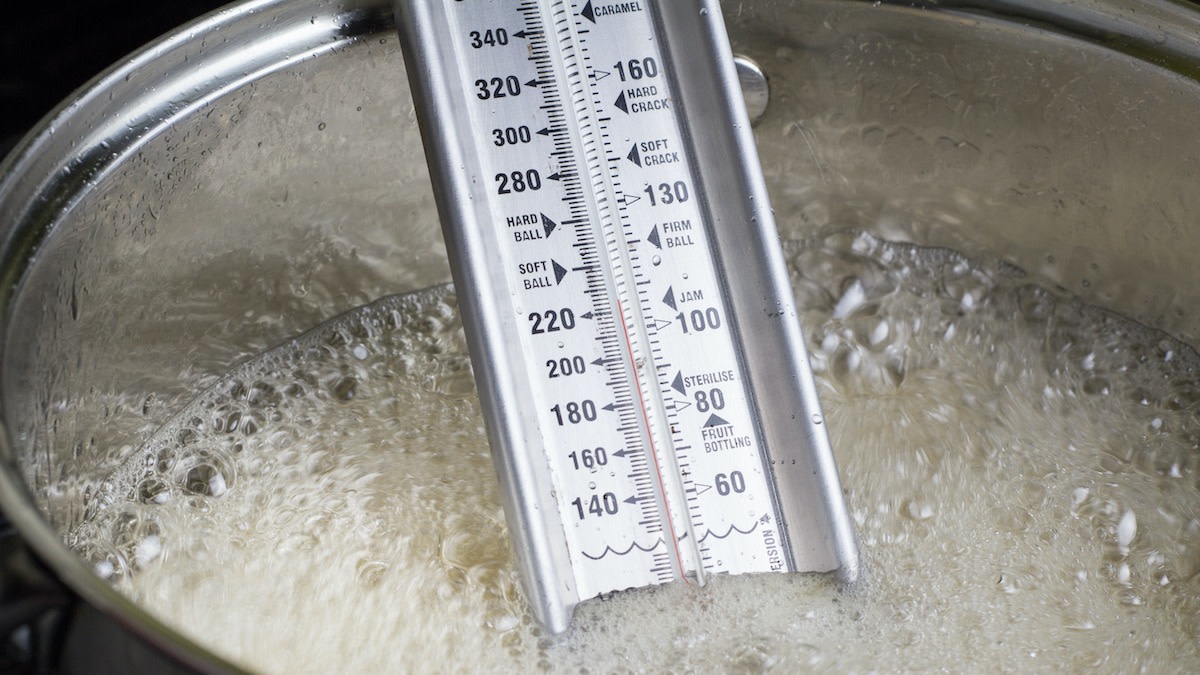
- Candy Thermometer
- Most accurate. Allows you to see when the syrup reaches the target temperature.
- Good thermometer should go up to ~160-170 °C (320-340 °F) for caramelization.
- Watch out: uneven heating, hot screen, boiling sugar touching sides; stir to avoid burning.
2. Cold Water (or Cold Water / Ice Water) Test
- Drop a small spoonful of hot syrup into cold water. Observe what it does: thread, ball, firm or soft, brittle etc.
- For example: if you form a ball in cold water that flattens when removed, you’re in soft-ball stage. If it forms a brittle thread, you’re in hard-crack.
- Visual + tactile cues help: how sticky is it, how firm, can you press/flatten etc.
3. Visual / Color / Bubble Observations
- As sugar syrup heats, bubbles get smaller, the foam might clear up a bit, color starts to change after soft-crack toward golden.
- Aroma changes: more caramel smells. If you smell burning sugar or see black / very dark bits on pan edges → too far.
WHY IT MATTERS: USES & IMPACTS
- Texture control: Whether your candy ends up soft and chewy (fudge), chewy/firmer (caramel), crunchy (brittle), or hard & snap-cracking (lollipop) depends on hitting the right stage.
- Flavor development: As sugar cooks more, flavour becomes deeper, more complex. Caramelization adds nutty, toffee, burnt sugar notes. But going past right point → bitter, burnt.
- Safety: High sugar syrup is extremely hot; if it splashes or spills, can burn badly. Also, sugar continues to cook even off heat (carryover heat), so timed removal is important.
- Consistency & repeatability: If you know what stage a recipe requires, you can reproduce results, adjust based on conditions (e.g. higher altitude needs adjustments).
- Preventing sugar crystallization: For some stages / candies, crystallization (undesirable graininess) is a risk; using acids / fats / careful stirring helps. Stage awareness helps you manage that.
COMMON PITFALLS AND TIPS
- Overheating: It’s easy to overshoot a stage, especially hard crack → caramel → burnt. Move fast once approaching.
- Altitude & humidity effects: Water boils at lower temp at higher altitude; moisture in air can affect sugar behavior. Recipes must sometimes be adjusted.
- Impurities or sugar types: Brown sugar, raw sugar, or sugars with molasses behave differently (more moisture, more flavour) so may need different times/stages.
- Stirring too much / too vigorously: Can introduce crystallization seeds; or if sugar sticks to sides and crystallizes then drops back in, that ruins smooth texture.
- Cold-water test ambiguous if water isn’t cold enough or test droplet too big. Use small drops.
- Always clean and dry utensils; sugar syrup is sticky and dangerous when hot.
CONCLUSION
Understanding the stages of sugar is like holding the blueprint for candy and confection creation. From thin syrup (thread) to the brittle snap of hard crack, every stage unlocks different textures and tastes. Having a candy thermometer, practicing the cold water test, and paying attention to visual cues help you know exactly when to remove heat. Once you’re familiar with these stages, you gain control over the final result—chewy fudges, soft caramels, crunchy brittles, or deep caramel sauces—rather than leaving it to chance.
Next time you’re cooking sugar, don’t just follow the recipe—feel and observe. Know your stages. It’ll make your sweet creations more precise, more delicious, and more satisfying. Happy candy-making!
 Hello. I'm Shivesh Bhatia, a food blogger and food stylist from Delhi, India. Welcome to Bake With Shivesh, where I'll help you create magic in your kitchens with my simple recipes.
Leave a Reply