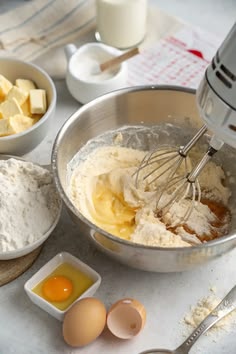
Have you ever followed a recipe exactly, only to end up with a cake that sank, cookies that spread too much, or bread that refused to rise? Before you blame yourself, here’s something every baker should know: the weather can have a bigger impact on your bakes than you think.
From humidity to temperature, the conditions around you can quietly change the way your ingredients behave. The good news? Once you understand how weather affects baking, you’ll know exactly how to adjust.
🌧️ Humidity: It’s More About Storage Than the Weather
A lot of people blame the monsoon when a bake doesn’t turn out right, but humidity isn’t always the culprit. If your flour, sugar, cocoa powder, and other dry ingredients are stored in airtight containers, the weather is unlikely to make a noticeable difference to your everyday baking.
Where humidity does cause problems is when ingredients are left exposed. Flour and sugar can absorb moisture from the air over time, which may affect their texture and shelf life. Decorations like meringues, macarons, and royal icing are also more sensitive to humid weather.
Quick tip: Keep your pantry dry, store ingredients in airtight containers, and avoid leaving them open while you bake. Good storage habits matter far more than the forecast.
☀️ Hot Weather Changes Everything
On hot summer days, butter softens much faster and chocolate melts in minutes.
This means:
- Cookie dough spreads more in the oven
- Frosting becomes runny
- Pie crusts lose their flaky texture before baking
Quick fix: Chill your cookie dough before baking and refrigerate frostings or pastry dough whenever they start feeling too soft.
❄️ Cold Weather Can Slow Things Down
While cooler temperatures are great for making pastries, they aren’t always ideal for yeast-based recipes.
Cold kitchens can make:
- Bread rise more slowly
- Dough take longer to proof
- Butter stay too firm to cream properly
Quick fix: Let ingredients come to room temperature before you start baking. For bread, place the dough in a slightly warm spot to help it rise.
🍪 Sugar Loves Moisture Too
Ever opened a jar of brown sugar and found one giant hard lump? Or noticed powdered sugar clumping together?
Sugar absorbs moisture from the air, especially during humid weather.
Quick fix: Store sugar in airtight containers and keep a food-safe moisture absorber or a slice of bread (for brown sugar) in the container to help maintain its texture.
🧁 Chocolate Has a Mind of Its Own
Chocolate is sensitive to both heat and humidity. You may notice white streaks or spots appearing on chocolate during the monsoon. This is called bloom. While it doesn’t look perfect, it’s still safe to eat.
Quick fix: Store chocolate in a cool, dry cupboard instead of the refrigerator unless your kitchen is extremely hot.
🥣 A Few Extra Minutes Can Make All the Difference
Ovens don’t know what the weather is like outside, but your batter does.
On humid days, cakes and breads may need a few extra minutes in the oven because of the extra moisture in the batter.
Instead of relying only on the timer, always check for doneness using:
- A toothpick
- Lightly pressing the top of the cake
- Checking if the edges pull away from the pan
Every Baker Has Weather Day
Even experienced bakers have recipes that behave differently depending on the season. Baking is equal parts science and observation. The more you bake, the better you’ll understand how your kitchen responds to changing weather.
So the next time your cookies spread a little too much or your cake takes five extra minutes to bake, don’t panic. It might not be your recipe at all. It could just be the weather doing what it does best.
Final Tip
Think of recipes as a guide, not a strict rulebook. Pay attention to how your batter looks, how your dough feels, and how your kitchen changes through the seasons. A few small adjustments can make all the difference, and soon you’ll be baking confidently, whatever the weather.
 Hello. I'm Shivesh Bhatia, a food blogger and food stylist from Delhi, India. Welcome to Bake With Shivesh, where I'll help you create magic in your kitchens with my simple recipes.