There is something deeply nostalgic about milk cake—its dense, fudgy texture, caramelized edges and the unmistakable aroma. But what if you could recreate that magic without an oven? Enter the humble pressure cooker, transforming your everyday dabba (cake tin) into one of indulgence. The milk cake is made with staple pantry ingredients, yet the end result is extraordinary.
There’s a certain kind of magic that happens when tradition meets innovation—and this milk cake recipe is proof. Born from the heart of Indian kitchens, milk cake is a celebration of slow-cooked richness, caramelized edges and melt-in-your-mouth texture. But what if you don’t have an oven? No problem. This recipe brings the charm of old-school baking into the modern home using nothing more than a pressure cooker and a trusty dabba.
Whether you’re a seasoned baker or someone just discovering the joy of homemade sweets, this method is a revelation. It’s rustic, resourceful and deeply satisfying. The pressure cooker mimics the dry heat of an oven and the dabba becomes your canvas for golden, grainy perfection. No fancy gadgets, just pure, indulgent flavor.
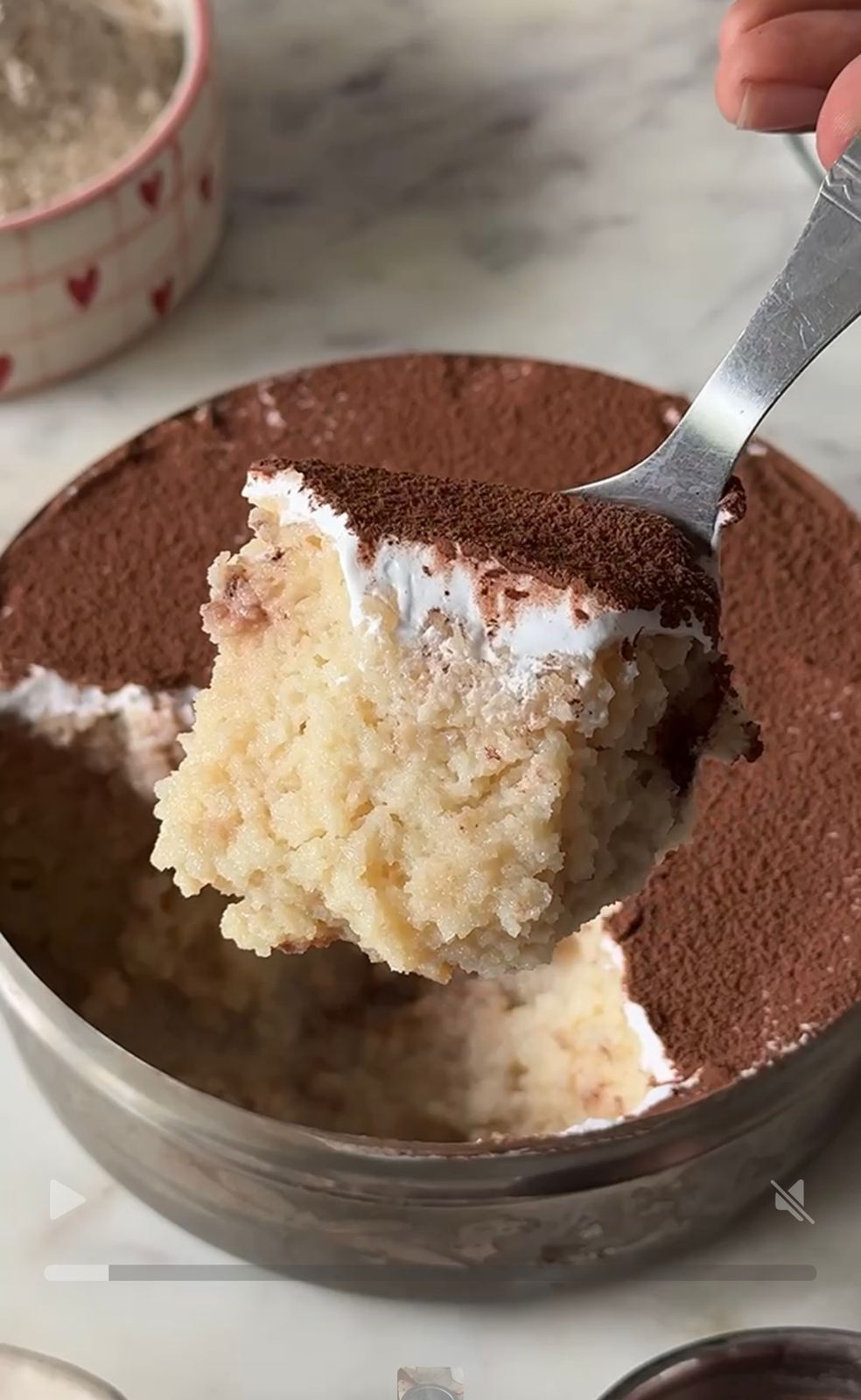
WHAT YOU’LL LOVE ABOUT THIS RECIPE
- Eggless
- No oven
- Uses staple pantry ingredients
- Easy to make
- Indulgent and moist
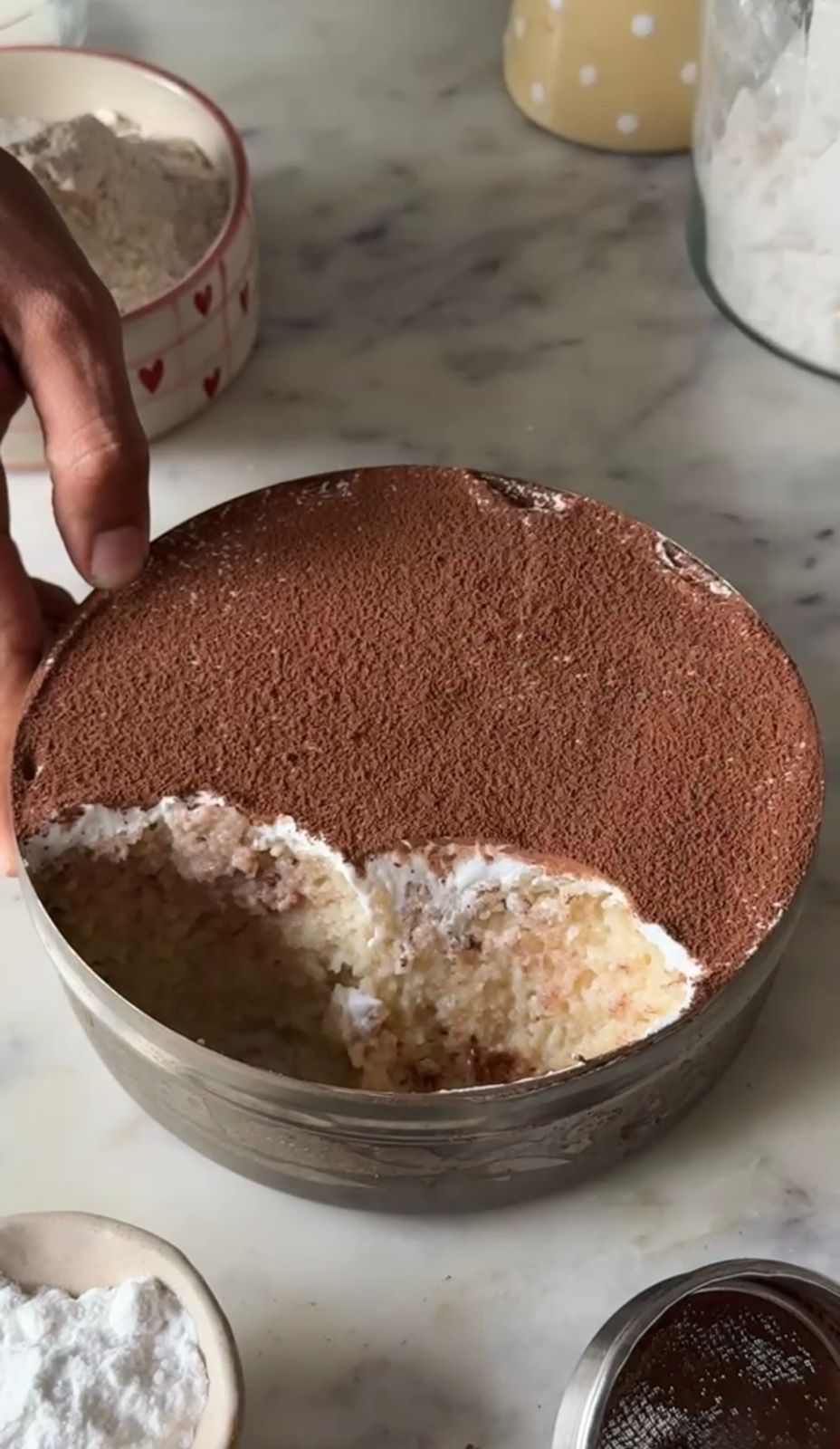
INGREDIENTS USED IN MILK CAKE IN A DABBA
-
CASTOR SUGAR
The most obvious reason is that sugar adds sweetness to the cake, making it enjoyable and satisfying to eat. Sugar helps keep the cake moist, preventing it from becoming dry and crumbly during the cooking process. I have used castor sugar for this recipe.
-
OIL
Oil adds tenderness to the cake’s crumb. Oil coats the flour particles and interferes with gluten formation, resulting in a more delicate and less chewy texture. It is often easier to mix into cake batters compared to solid fats like butter. It can be blended more uniformly with other ingredients, ensuring an even distribution of fats throughout the batter.
-
MILK
Milk helps dilute the batter to achieve the desired consistency. This makes the batter easier to work with and results in a smoother texture. In recipes that use baking powder as a leavening agent, milk can react with it to produce carbon dioxide gas. This gas creates air bubbles within the batter, causing the cake to rise and become fluffy. I have used Nestle Milk for this recipe.
-
ALL-PURPOSE FLOUR
Flour helps absorb the moisture from other ingredients in the batter, which contributes to the cake’s texture and prevents it from being overly wet. It interacts with leavening agents like baking powder and baking soda to create gas (usually carbon dioxide) that causes the cake to rise. Flour is a primary structural ingredient in cakes. It provides the framework for the cake’s crumb and gives it a cohesive texture. It also produces a tender crumb in the cake.
-
LEAVENING AGENTS
Baking powder and baking soda are used in this cake recipe as raising agents. Leavening agents introduce gas bubbles into the cake batter. When heated, these bubbles expand, causing the cake to rise and become airy. The rise from leavening agents helps the cake cook more evenly, ensuring that the center and edges of the cake cook at a similar rate.
-
THE SOAKING LIQUID
Soaking the cake ends up making it extra fluffy, creamy and soft. It also enhances the existing flavours and makes it even more delicious. The 3 ingredients I used in the soak are whole milk, condensed milk and vanilla extract. All you have to do is to mix everything together and that’s about it. It is a super easy way to hydrate your cake and make it reach its maximum flavour potential. It is also advised to soak the cake when it is slightly warm and has not cooled fully.
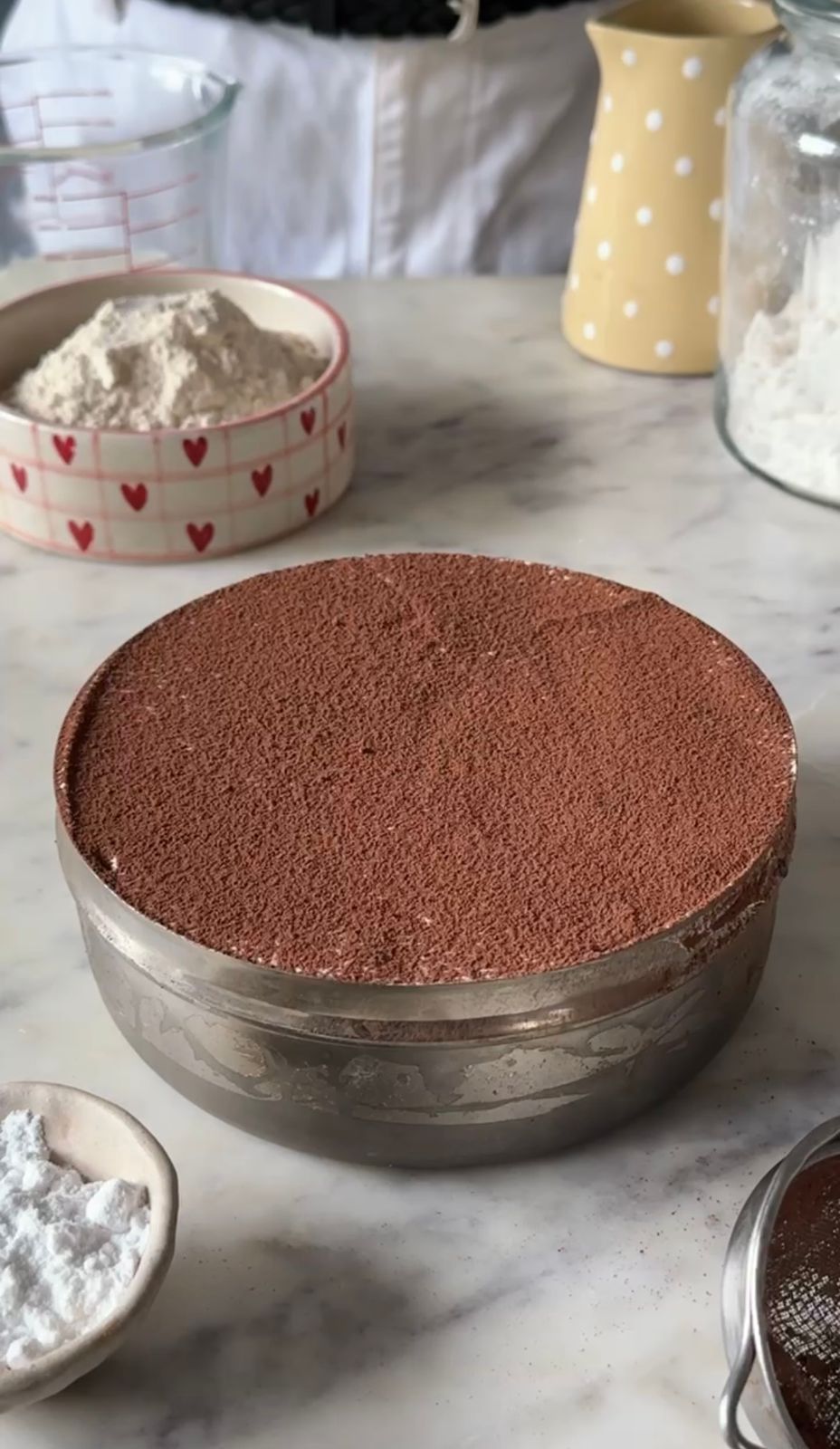
EQUIPMENTS USED IN MILK CAKE IN A DABBA
I would recommend you use good quality mixing bowls, spatula and a whisk.
Measuring Cups and Measuring Spoons are an integral tool to measure ingredients with precision.
You will also need a stovetop, a steel dabba/container and a cooker to bake the cake in.
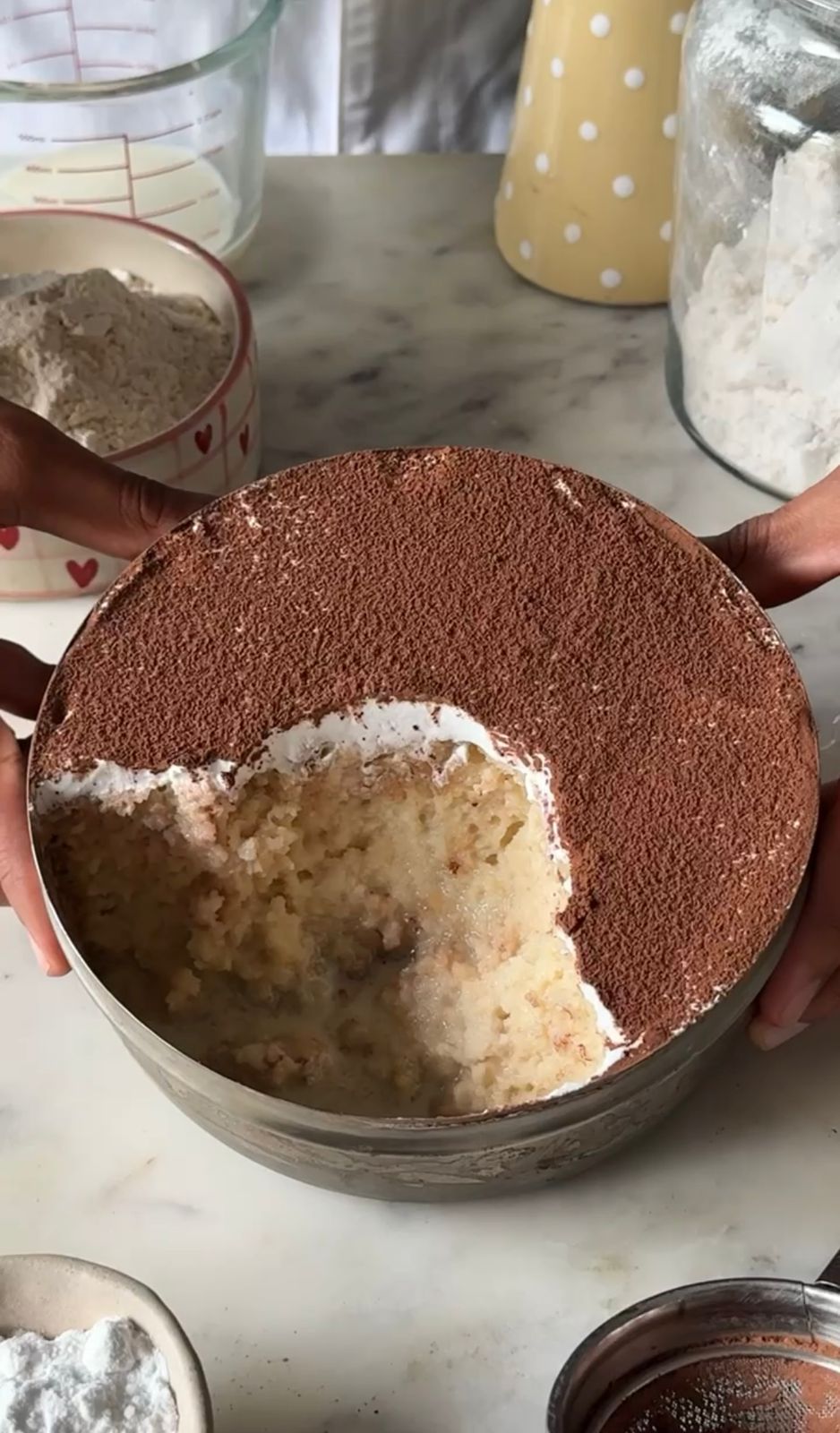
TIPS TO KEEP IN MIND WHILE MAKING THE MILK CAKE IN A DABBA
- Use a sturdy, heavy-bottomed cooker to make your cake in. The thick material allows even heat distribution and does not heat up too quickly, which can result in a burnt bottom layer.
- Add salt to the pressure cooker before heating. The salt forms a protective base as well as ensures even heating. Place a metal stand over the salt. This helps create an air gap, ensuring even heat distribution.
- Always preheat your cooker for 5-10 minutes. And keep the flame on low to medium heat while baking. Too high heat can cause the cake to burn on the outside while remaining undercooked on the inside.
- Once the cake has baked, let it cool slightly. Run a knife around the edges and demould when slightly warm. Poke a lot of holes in the cake using a toothpick or skewer and pour the soaking liquid over the cake when warm. Doing so ensures that the soaking liquid gets absorbed into the cake evenly.
RELATED RECIPES FROM THE BLOG
- FOR THE SPONGE
- ¾ cup milk
- 2 tsp vinegar
- ¾ cup castor sugar
- 6 tbsp oil
- ½ tsp vanilla
- 1 + ¼ cup all-purpose flour
- ½ tsp baking soda
- 1 tsp baking powder
- FOR THE SOAKING LIQUID
- 1 cup milk
- ½ cup condensed milk
- ½ tsp vanilla
- Spread a layer of salt at the bottom of a cooker. Place a stand over it and close the lid. Preheat this on medium heat for 5-10 minutes and meanwhile, grease and line a 6-inch steel dabba.
- In a bowl, add the milk and vinegar. Let it rest for 2 minutes until it curdles.
- Add in the castor sugar, oil and vanilla and whisk it well.
- Next, fold in the dry ingredients, that is, all-purpose flour, baking soda and baking powder. Whisk everything well together but avoid overmixing.
- Pour the batter into the dabba. Place the dabba on the stand and bake for 35-40 minutes or until a skewer inserted in the centre comes out clean.
- For the soaking liquid, mix the milk, condensed milk and vanilla and keep it aside.
- Remove the dabba from the cooker and let it cool slightly. Run a knife around the edges and demould the cake while it is still warm.
- Using a skewer or toothpick, prick holes in the cake. Make sure that you prick the entire surface of the cake.
- Pour the soaking liquid over the cake in a steady stream and in intervals until all the liquid is absorbed into the cake. The cake should be warm at this stage and not completely cooled for better absorption.
- Once done, let the cake chill for a few hours before cutting into slices and serving.
If you like my Milk Cake in a dabba recipe and happen to make them in your kitchen, do tag me on Instagram and share pictures with me using #Bakewithshivesh. Happy Baking!
 Hello. I'm Shivesh Bhatia, a food blogger and food stylist from Delhi, India. Welcome to Bake With Shivesh, where I'll help you create magic in your kitchens with my simple recipes.