There’s almost nothing more disappointing than pulling a cake out of the oven, eagerly waiting for it to cool, only to slice into it and find that it’s dry, dense, or worse—crumbly. After all, cake is meant to be light, fluffy, and moist, with that melt-in-your-mouth texture that makes it irresistible. So, what went wrong?
The truth is, baking a perfect cake involves a delicate balance of ingredients, techniques, and attention to detail. Even the slightest misstep—like overmixing the batter, using the wrong flour, or overbaking—can lead to a cake that’s not the soft, airy delight you were hoping for. But don’t fret! Understanding why cakes sometimes turn out dry and dense is the first step to ensuring it never happens again.
-
Overmixing the Batter
Overmixing is one of the biggest culprits in creating a dry, dense cake. When you mix the batter too much, you’re activating the gluten in the flour, which can make the cake heavy and tough. This is especially true for cakes like sponge or chiffon, which rely on a delicate texture.
Solution
Mix your ingredients just until they’re combined. A few lumps in the batter are totally fine. If you’re using an electric mixer, go slow and don’t overdo it.
-
Using Too Much Flour
It’s easy to accidentally add too much flour to your cake batter. This can happen if you’re not measuring properly or if you’re spooning flour directly into your measuring cup (which leads to packed flour). Too much flour can make the batter too thick, resulting in a dense, dry cake.
Solution:
Always measure flour by spooning it into your measuring cup and leveling it off with a knife. Or, if possible, use a kitchen scale for accuracy.
-
Not Enough Fat or Moisture
Fat, such as butter or oil, is essential for a moist, tender cake. If you’ve cut back on fat or forgot to add moisture (like milk, eggs, or sour cream), your cake could end up dry. Also, baking with ingredients that are too cold can affect how they incorporate into the batter.
Solution:
Ensure you’re using enough fat in your recipe and don’t skip the liquid ingredients. Room temperature ingredients like eggs and butter help the batter come together smoothly.
-
Overbaking the Cake
Overbaking is another common reason cakes become dry. If you leave the cake in the oven for too long, it will lose too much moisture. The result? A dry, crumbly cake that feels dense.
Solution:
Check the cake a few minutes before the recipe’s recommended baking time. Insert a toothpick or cake tester into the center of the cake – if it comes out clean or with a few crumbs attached, it’s ready. Always use a timer, and if you have a convection oven, reduce the temperature slightly.
-
Wrong Pan Size or Shape
Using a pan that’s too small or too large can affect how the cake bakes. A smaller pan may cause the batter to rise too much and collapse, resulting in a dense texture, while a larger pan will spread the batter too thinly, causing it to dry out faster.
Solution:
Stick to the pan size specified in the recipe. If you don’t have the exact size, use a similar-sized pan and adjust the baking time accordingly.
-
Not Enough Leavening Agent
Leavening agents like baking powder or baking soda are crucial for a light, airy cake. If you haven’t measured them correctly or if they’ve expired, the cake won’t rise properly and may end up dense.
Solution:
Ensure your baking powder or soda is fresh and measure them carefully. If you’re unsure about freshness, check the expiration date or test by adding a small amount to vinegar (baking soda should fizz, and baking powder should bubble).
-
Incorrect Oven Temperature
Baking at too high or too low a temperature can cause a variety of issues. If your oven is too hot, the outside of the cake may bake too quickly, leaving the inside undercooked. If it’s too cool, the cake won’t rise properly, leading to a dense texture.
Solution:
Use an oven thermometer to ensure your oven temperature is accurate. Don’t rely solely on the oven’s built-in thermostat, as it might be off by a few degrees.
Tips for a Moist and Fluffy Cake:
-
Room Temperature Ingredients are Key
When your ingredients like butter, eggs, and milk are at room temperature, they mix more easily, creating a smoother batter. Cold ingredients can cause the batter to seize up and lead to an uneven texture.
-
Don’t Overfill the Pan
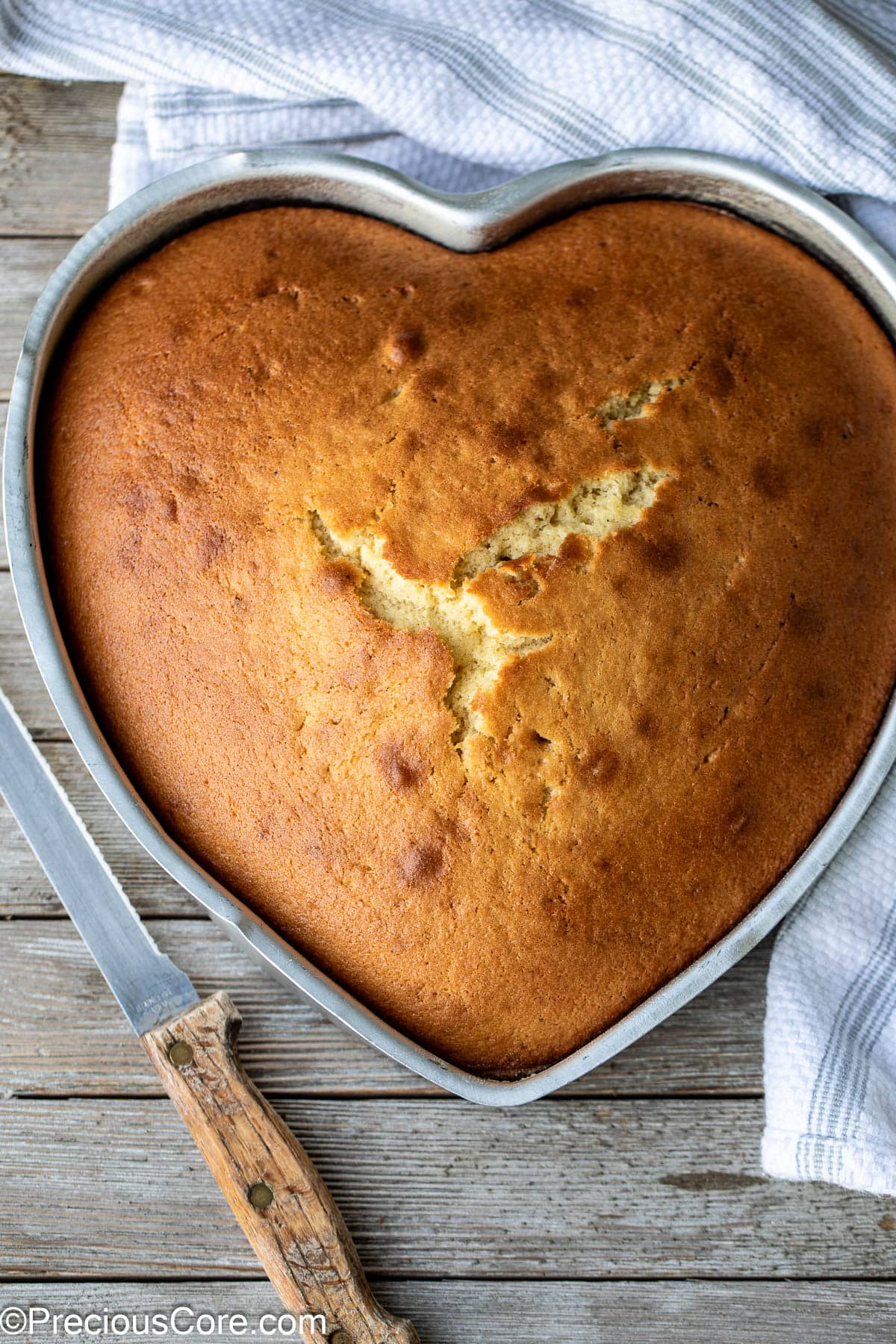
When you fill your cake pan, don’t go all the way to the top. If you overfill the pan, your cake batter will spill over or rise too high and collapse. A good rule of thumb is to fill the pan about 2/3 full.
-
Check Your Baking Powder/Baking Soda Freshness
Baking powder and baking soda are the heart of your cake’s rise. If these leavening agents are old, they won’t work as well. This could lead to a dense cake because it won’t rise properly.
Tip: Test baking soda by adding a teaspoon to a cup of vinegar – it should fizz. For baking powder, put a teaspoon in a little hot water – it should bubble.
-
Add a Simple Syrup for Extra Moisture
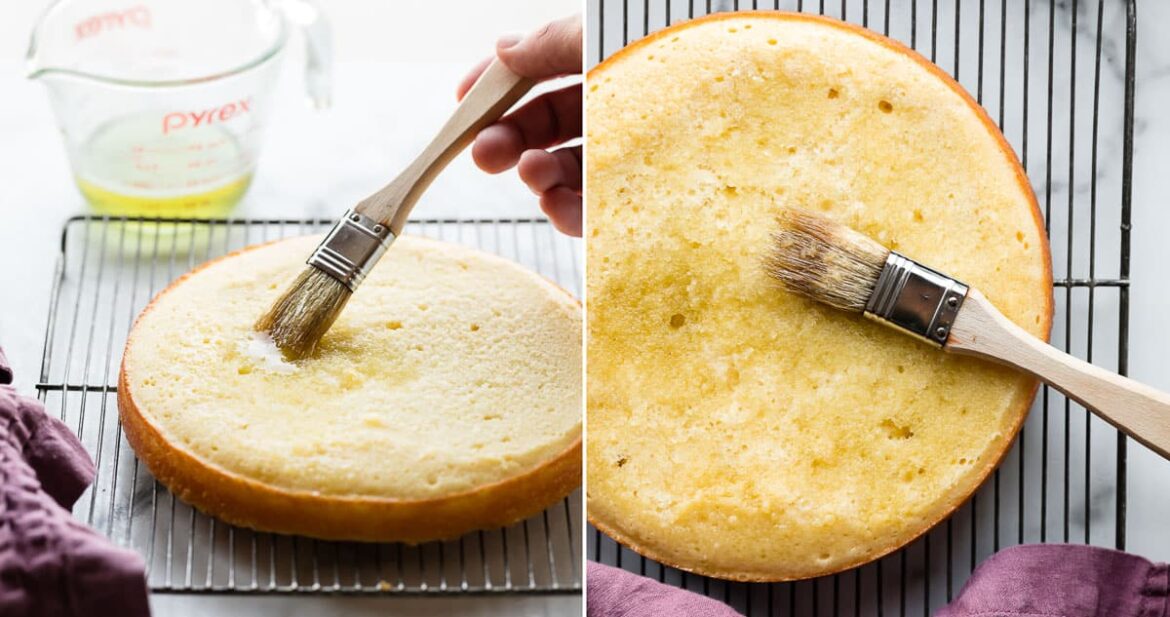
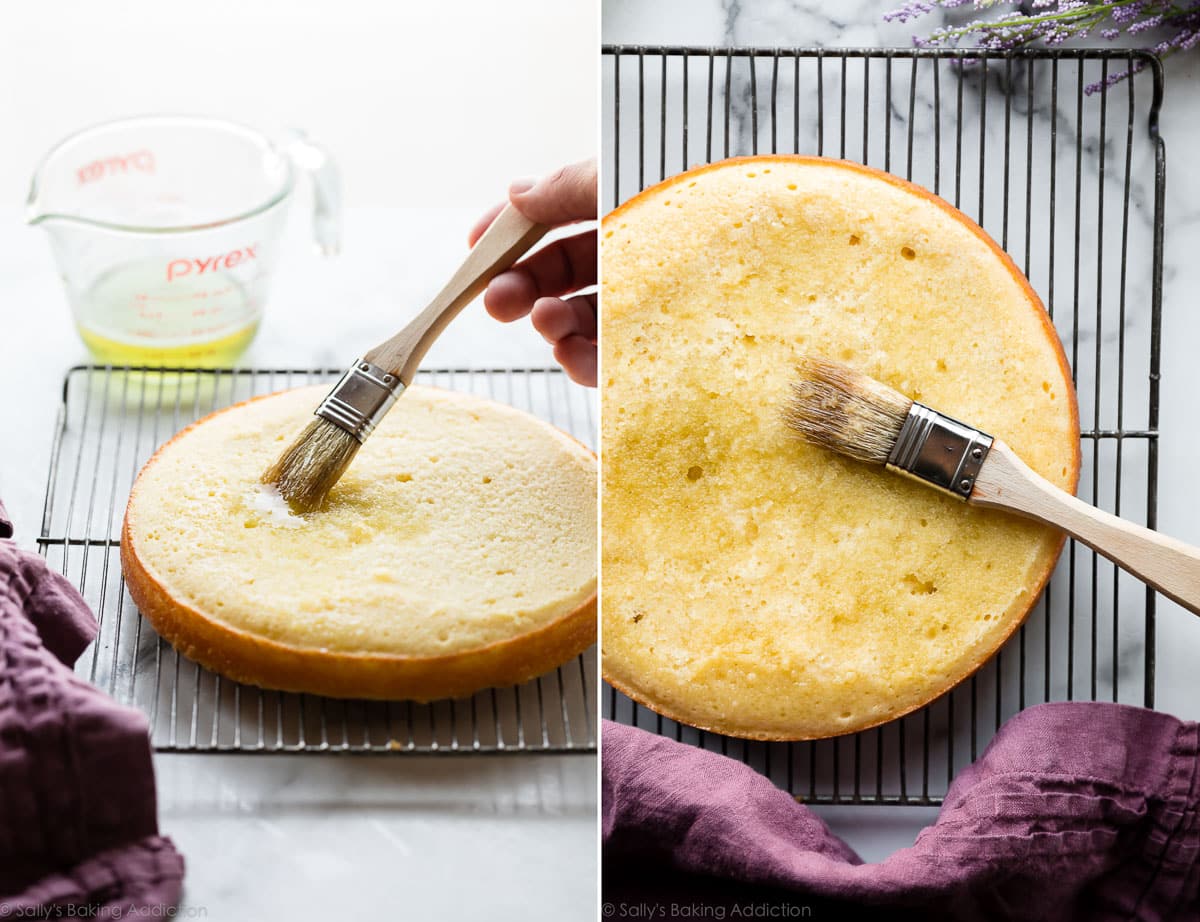
If your cake comes out a bit dry or you want to add some extra moisture, you can brush the layers with simple syrup. Simply boil equal parts sugar and water, let it cool, and brush it lightly on your cake layers before frosting.
-
Let the Cake Cool in the Pan
Allow your cake to cool in the pan for about 10 minutes before you remove it. This prevents it from breaking apart and gives it time to firm up slightly. If you try to remove it too soon, it can fall apart and leave you with uneven layers.
-
Consider Using Buttermilk
Buttermilk helps create a tender, soft cake due to its acidity, which breaks down the gluten. It also adds a delightful flavor that pairs perfectly with chocolate, vanilla, or fruit-based cakes.
-
Be Careful with Sugar Substitutes
While it’s tempting to reduce sugar to make a healthier cake, sugar plays a significant role in the cake’s texture, moisture, and color. Reducing it too much can result in a dry or overly dense cake.
Conclusion
A dry, dense cake can feel like a disaster, but once you know the common pitfalls, it’s easy to avoid them. By mixing properly, measuring ingredients accurately, checking your oven temperature, and not overbaking, you can create a light, fluffy cake every time. So don’t get discouraged – every baking mishap is an opportunity to learn and perfect your skills!
 Hello. I'm Shivesh Bhatia, a food blogger and food stylist from Delhi, India. Welcome to Bake With Shivesh, where I'll help you create magic in your kitchens with my simple recipes.